
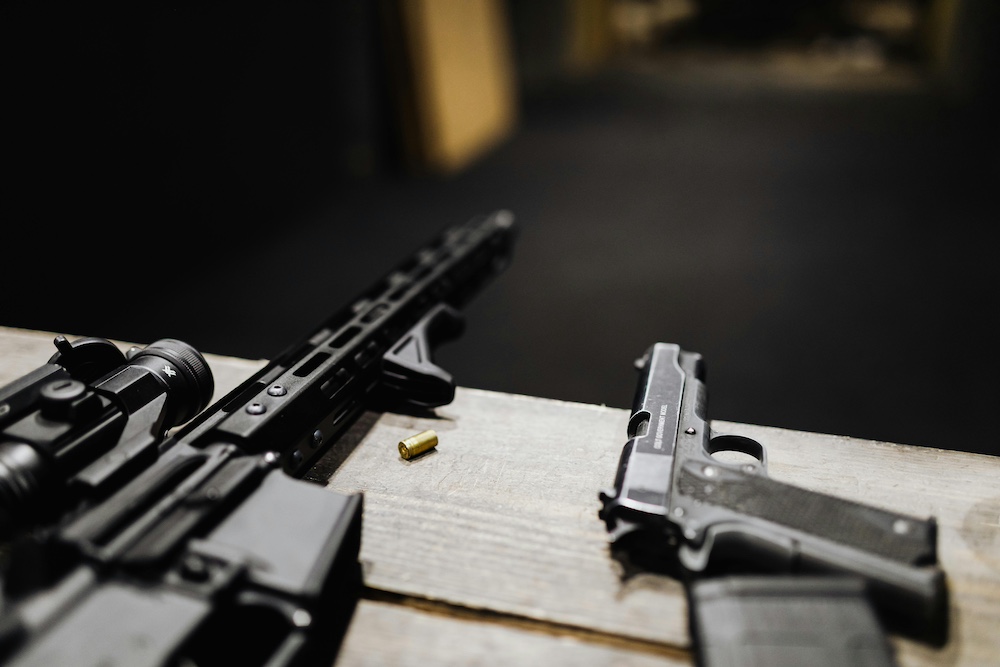
Firearm offences are treated with particular seriousness under Canadian criminal law. The federal government maintains strict regulations surrounding the possession, use, storage, transportation, and sale of firearms, and violations of these rules can lead to severe penalties, including mandatory minimum jail sentences in some cases. Whether you’re facing a charge for unauthorized possession, careless use, or a more serious offence involving firearms and violence, a conviction can have life-altering consequences.
This article provides a detailed overview of firearm offences in Canada, including the types of charges that exist, how they are prosecuted, what penalties apply, and how a criminal defence lawyer can help protect your rights and your future.
Overview of Firearm Regulation in Canada
Firearms in Canada are regulated primarily by the Criminal Code of Canada and the Firearms Act. These laws define the rules for ownership, licensing, classification, transportation, and storage of guns. Canadian law recognizes three categories of firearms:
-
Non-restricted firearms: Typically includes ordinary hunting rifles and shotguns.
-
Restricted firearms: Includes handguns and some semi-automatic rifles.
-
Prohibited firearms: Includes automatic weapons and certain handguns, among others.
To legally own or use a firearm in Canada, a person must obtain a valid Possession and Acquisition Licence (PAL) and comply with all applicable laws regarding registration, transport, and storage. Any violation of these rules can lead to criminal charges.
Common Firearm Offences in Canada
There are several firearm-related offences outlined in the Criminal Code, each carrying distinct elements and penalties. Some of the most commonly charged offences include:
1. Unauthorized Possession of a Firearm
This occurs when a person possesses a firearm without a valid licence or registration. It applies to all classes of firearms and is one of the most frequently laid charges.
2. Careless Use or Storage of a Firearm
If a firearm is not stored, handled, or transported according to regulations, the owner can be charged with careless use or storage. This is often charged when a firearm is left accessible to children, improperly secured in a vehicle, or stored loaded.
3. Possession of a Weapon for a Dangerous Purpose
This charge applies when someone is found with a firearm (or other weapon) and the Crown believes it was possessed with the intent to use it to threaten, harm, or intimidate another person.
4. Using a Firearm in the Commission of an Offence
This is a serious charge that involves using a gun during the commission of another crime, such as robbery or assault. It carries mandatory minimum sentences and is prosecuted by indictment.
5. Trafficking or Transferring Firearms Illegally
Transferring, selling, or giving a firearm to someone who is not licensed or doing so without following the proper legal procedure can result in charges related to firearms trafficking.
6. Possession of a Prohibited or Restricted Firearm Without Authorization
This applies when an individual possesses a prohibited or restricted firearm without proper licensing or registration. This often leads to both criminal and regulatory penalties.
7. Pointing a Firearm
It is an offence to point a firearm at another person, whether or not it is loaded or fired. This charge often accompanies assault with a weapon or uttering threats.
Penalties for Firearm Offences
Penalties for firearm offences vary based on the nature of the charge, the classification of the firearm, and the context in which it was used. Some firearm offences carry mandatory minimum sentences, particularly those involving violence, criminal organizations, or repeat offenders.
Examples of penalties include:
-
Unauthorized possession: Up to 5 years in prison
-
Careless use or storage: Up to 2 years for a summary offence, or up to 5 years for an indictable offence
-
Using a firearm in a robbery: Minimum of 4 years in prison for a first offence
-
Trafficking firearms: Up to 10 years in prison
-
Possession of a prohibited firearm: Up to 10 years in prison
In addition to jail time, a conviction may lead to:
-
A permanent criminal record
-
A lifetime ban on possessing firearms
-
Immigration consequences for non-citizens
-
Loss of employment opportunities in certain sectors
-
Civil forfeiture of the weapon(s)
Defending Against Firearm Charges
A criminal defence lawyer will examine the circumstances of your arrest and charges to identify all viable legal defences. Some common strategies include:
Unlawful Search and Seizure
If police found a firearm during an illegal search that violated your Charter rights, your lawyer may file a motion to have the evidence excluded.
Lack of Knowledge or Intent
If you were unaware that a firearm was in your possession, or had no intent to use it dangerously, the Crown may not be able to prove the required mental element of the offence.
Improper Storage vs Criminal Use
Sometimes, what begins as a charge for dangerous possession may be negotiated down to a regulatory offence, particularly if no violence occurred and you have no prior criminal record.
Ownership Disputes
If the Crown cannot prove that the firearm belonged to you or that you were the person in control of it, the charge may not stand.
License and Registration Errors
In some cases, people are charged due to expired licences or clerical errors. Your lawyer can help resolve these issues through administrative means rather than a criminal trial.
How a Criminal Defence Lawyer Can Help
Firearm offences are among the most complex and high-stakes cases in Canadian criminal law. A skilled lawyer will:
-
Review all police conduct to identify Charter violations
-
Analyze the strength of the Crown’s evidence
-
Determine whether the firearm is classified correctly
-
Explore options for resolution, such as withdrawal or diversion (where available)
-
Negotiate with the Crown to avoid or reduce mandatory minimums
-
Prepare a robust defence if the matter proceeds to trial
Given the serious consequences of a conviction, hiring a criminal defence lawyer as early as possible is essential.
Why Choose De Boyrie Law
At De Boyrie Law, we represent individuals charged with a wide range of firearm offences, from regulatory violations to serious indictable charges. We understand the legal complexity and personal stress that come with these cases, and we provide our clients with clear advice, strategic planning, and aggressive defence in court. Whether your matter involves an isolated mistake or an allegation of criminal intent, our legal team is committed to protecting your rights and fighting for the best possible outcome.
Schedule a Free Consultation with De Boyrie Law
If you are facing firearm offences in Canada, contact De Boyrie Law today for a free, confidential consultation. We’ll review the details of your case, explain your legal options, and help you build a strong defence.